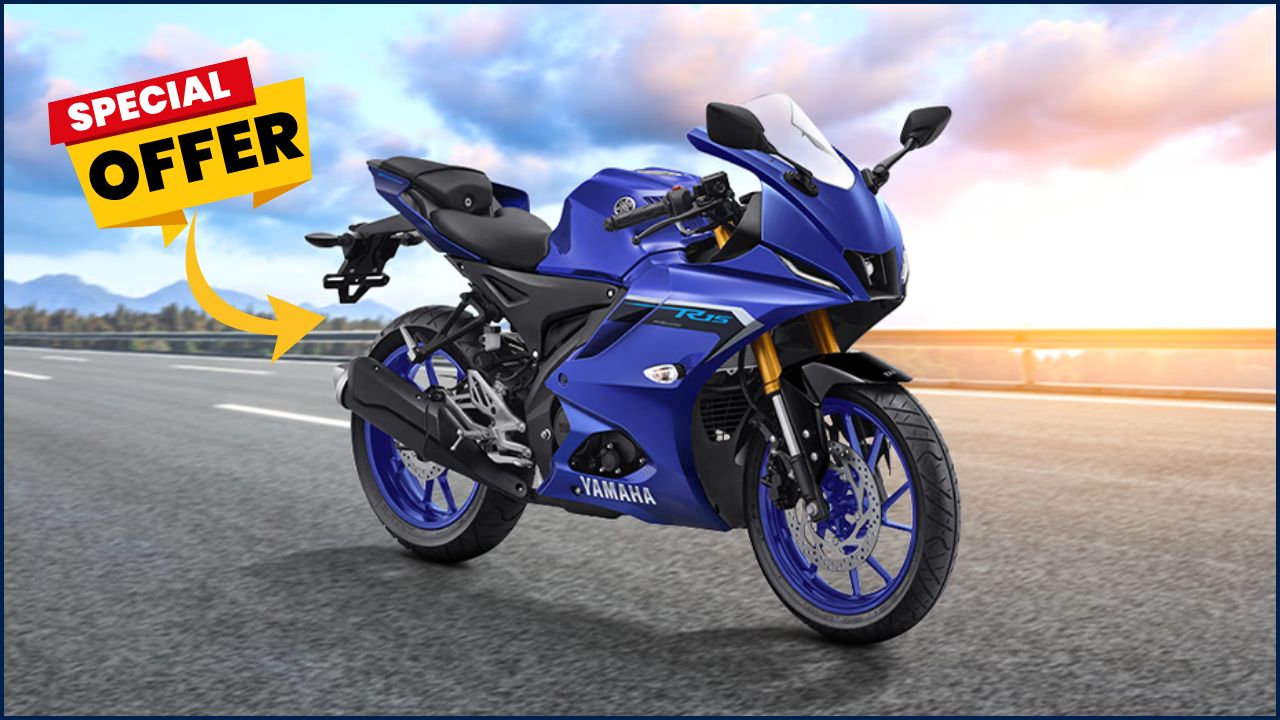

If you have been thinking, “Daily commute ka koi simple, cheap, tension free option mile,” then Yamaha Electric Cycle 2026 is exactly the kind of launch style headline that makes you stop scrolling. Yamaha Electric Cycle 2026 is being discussed as a modern e cycle concept that could combine the ease of a bicycle with the convenience of electric assist, which is why it is getting attention from students, office goers, and even casual city riders. What makes this topic so interesting is the promise: long range, fast charging, and a budget friendly offer angle. But here’s the practical lens: some viral claims sound too good to be true, while more detailed early reports paint a more realistic commuter focused picture. In other words, if you are considering Yamaha Electric Cycle 2026 seriously, it is better to focus on expected real world usability, comfort, and after sales support rather than only the biggest headline numbers.
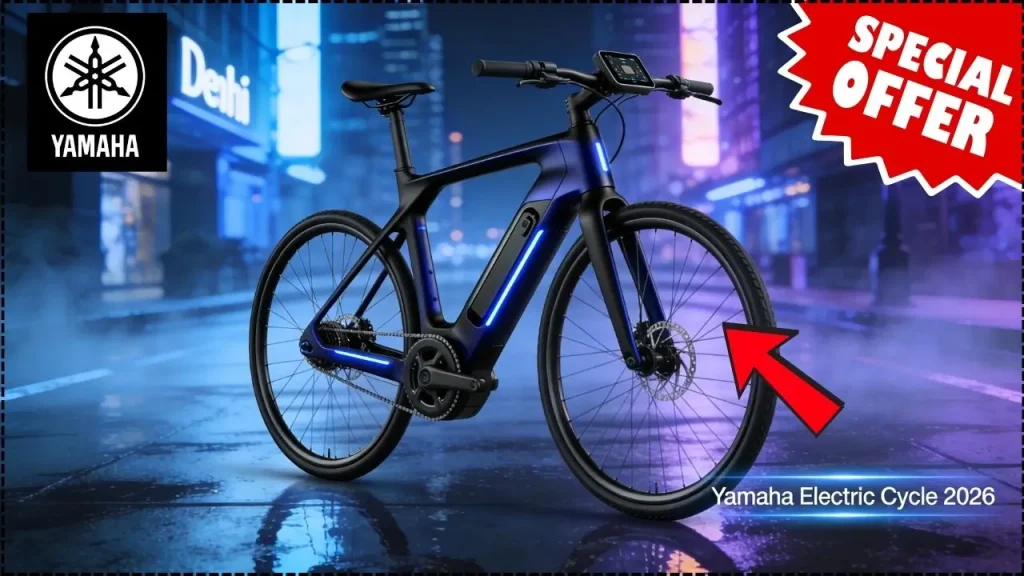
Yamaha Electric Cycle 2026 is being positioned as a city first electric cycle, the kind that is meant to reduce your dependency on petrol for short trips like office runs, coaching classes, local market errands, and metro station connectivity. The buzz is also coming because many buyers want something lighter than an electric scooter, but smarter than a regular bicycle. In early coverage, Yamaha Electric Cycle 2026 is linked with features like a digital display, ride modes, and commuter friendly safety hardware, which is exactly what today’s riders expect in 2025 and beyond. Still, because some posts claim extreme figures like 300km range and very fast charging, it is smarter to wait for official specifications before treating those claims as final.
Table of Contents
Yamaha Electric Cycle 2026
If the idea is simple daily commuting without petrol stress, Yamaha Electric Cycle 2026 is worth tracking, but it is smarter to judge it on confirmed specs and ownership terms rather than only viral range claims. The early coverage points toward a feature rich city commuter with smart usability, disc brakes, and finance style buying hooks, which is exactly what the market is responding to right now. And with industry forecasts still showing strong growth for e bikes in the coming years, the timing for such launches is clearly aligned with what Indian commuters want in 2025.
Yamaha Electric Cycle 2026 Construction And Design: Style With Comfort
- A big reason people upgrade from a basic e cycle to a branded option is confidence. The early discussion around Yamaha Electric Cycle 2026 highlights a more modern design approach, where the bike is meant to look premium and feel sturdy, not like a flimsy local assembly product. The report mentions an aluminium alloy frame and an ergonomic riding setup, which matters because comfort is what keeps you consistent on a cycle, especially in Delhi style stop and go traffic.
- Design is not just aesthetics, it also affects daily convenience. LED lights, a compact digital display, and a commuter ready layout help because you can ride early morning, late evening, and still stay visible. The adjustable handlebar and seat focus is also important because in Indian homes one cycle often becomes a shared vehicle, used by different family members with different heights.
- For riders who are switching from scooters, the “feel” will matter as much as the features. If Yamaha Electric Cycle 2026 is tuned for stable handling, predictable braking, and balanced weight distribution, it can become a true short distance replacement for a lot of quick scooter trips.
Yamaha Electric Cycle 2026 Performance: Power, Speed, And Range
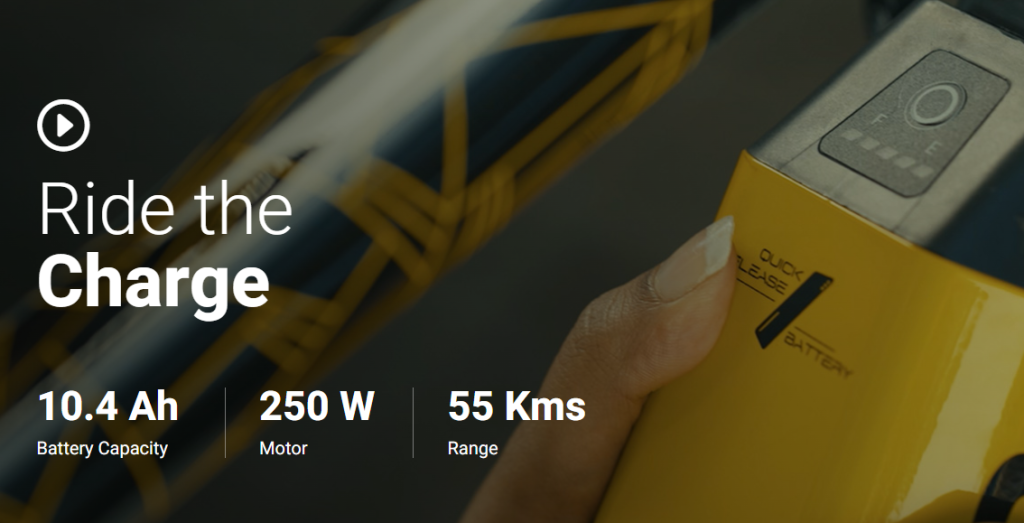
- Performance on an electric cycle is never only about top speed. What buyers really want is smooth pickup, predictable battery support, and enough range that you do not have to charge every single day. In the early spec style coverage, Yamaha Electric Cycle 2026 is linked with a 250W motor and a claimed top speed figure, along with a range claim that fits city commutes.
- The viral claim of 300km range plus super fast charging is what creates the “dhamaka” hook, but those numbers are not consistently aligned across the more detailed writeups. So it makes sense to keep expectations grounded until official details are announced, especially because range changes heavily based on rider weight, tyre pressure, road conditions, assist level, and how often you stop in traffic.
- If your intent is transactional, meaning you want to buy soon, focus on what will impact your day to day life. Check battery type, charging time, warranty clarity, and whether the service ecosystem is accessible in your area. That is where a branded cycle wins over a random “too cheap to believe” offer.
Smart Features For Modern Riders
- Today’s electric cycle buyer is not only looking for a motor and battery. People want features that make riding easier and ownership simpler. In the early coverage, Yamaha Electric Cycle 2026 is associated with ride modes, app style connectivity, and a digital display, which means the brand is targeting the smartphone era commuter.
- Ride modes matter because they let you decide how much assist you want. On a flat route, you may use a lighter assist to stretch range. On a flyover or bridge section, you can increase assist and keep your speed steady without arriving sweaty. That kind of flexibility is exactly why many people consider Yamaha Electric Cycle 2026 as a practical “office commute and errands” tool rather than a fitness only cycle.
- There is also a convenience angle. USB charging support, if it is implemented properly, becomes useful for maps and calls. Anti theft digital locking style features also matter in metro cities where cycles often get parked outside offices, metro stations, and market lanes.
Front & Rear Disc Brake: Reliable Stopping Power.
- In Indian traffic, braking is a safety feature first, performance feature second. The early report mentions front and rear disc brakes, and that is a meaningful detail because disc brakes generally offer stronger and more consistent stopping compared to basic rim setups, especially when roads are dusty or when light rain makes surfaces unpredictable.
- The same coverage also mentions regenerative braking, which is often framed as a way to improve efficiency and recover some energy during slowing down. While it is not a magic solution that doubles range, it can still support better real world efficiency when you ride in traffic where you brake frequently.
- If Yamaha Electric Cycle 2026 is meant to be a daily ride, braking confidence will be one of the biggest reasons a buyer feels satisfied after purchase. Strong brakes reduce stress, and lower stress is what makes people actually use an e cycle consistently.
Price And EMI Options for Yamaha Electric Cycle 2026
- This is where most readers make up their mind. Many people love the idea of an e cycle, but hesitate because they do not want to pay a premium amount upfront. In the early coverage, Yamaha Electric Cycle 2026 is discussed around a price bracket and also framed with EMI starting from ₹2,999 per month, which suggests a finance friendly sales approach.
- The “budget price” angle usually depends on how the offer is structured. Sometimes the offer is about EMI, sometimes about exchange bonus, sometimes about accessories bundled for free. The same report mentions introductory style offers such as exchange bonus and free accessories, which can improve value if they are actually available and not limited to select locations.
- Also, 2025 is a year where electric bicycles are being taken more seriously, and market forecasts indicate continued growth ahead. One industry estimate projects India’s e bike market growth at 8.70% CAGR from 2025 to 2033, which explains why brands are competing hard on features and value perception.
Why Choose Yamaha Electric Cycle?
- A practical buyer chooses based on ownership experience, not just launch hype. The early writeup positions this cycle as an eco friendly option that reduces carbon emissions and can lower daily running costs compared to petrol based short trips. If your usage is mostly 5 to 15 km per day, that logic becomes very real because you save fuel, reduce maintenance complexity, and avoid parking headaches.
- Another reason people consider Yamaha Electric Cycle 2026 is the brand trust factor. Many buyers are okay paying a bit more if they expect better build quality, better battery reliability, and clearer support. Even if the upfront price is higher than a basic local e cycle, the long term peace of mind often matters more, especially for people who want a dependable “daily rider” rather than a gadget purchase.
- The most important filter is your route. If your commute has broken roads, heavy traffic, and frequent stops, the cycle should be comfortable, stable, and easy to brake. If your route is long and high speed, you may still need a scooter or a bigger EV. Yamaha Electric Cycle 2026, as positioned, looks best suited for city short to medium trips.
Yamaha’s Vision for Electric Mobility
- Yamaha Electric Cycle 2026 is being discussed in a larger context, where brands want to enter electric mobility through practical categories. The early report frames it as a step toward cleaner, smarter transportation for everyday users. This fits 2025 consumer behavior too, where people want convenience, lower cost per km, and products that feel modern and connected.
- At the market level, the category momentum is visible. Industry estimates expect the e bike segment to keep expanding across the coming years, which is why you see more launches, more feature heavy models, and more EMI driven offers. If Yamaha executes well, Yamaha Electric Cycle 2026 can become a strong option for urban riders who want a branded solution with smart features instead of a basic assist cycle.
FAQs on Yamaha Electric Cycle 2026
Q1: Is Yamaha Electric Cycle 2026 really coming with 300km range and fast charging?
Q2: What range and speed are being mentioned in early reports?
Q3: What safety features are expected?
Front and rear disc brakes are mentioned, and regenerative braking is also discussed in the early coverage