

Bamboo products are taking the world by storm—and for good reason. In recent years, there’s been a massive shift towards sustainability, and bamboo is emerging as one of the most promising eco-friendly materials on the market. From furniture to everyday household items, bamboo products are changing the way we live, work, and play. The environmental benefits alone are enough to get excited about, but bamboo products also bring a level of durability, versatility, and style that’s hard to beat. If you’re looking for a way to reduce your environmental impact without sacrificing quality or design, bamboo might just be the solution.
Incorporating bamboo products into your life isn’t just a trend—it’s a movement toward a greener, more sustainable future. Bamboo grows faster than any other plant, making it an excellent renewable resource. Whether it’s bamboo toothbrushes, flooring, or kitchen utensils, the possibilities are endless. In this article, we’ll explore how bamboo products can completely change the way you live, from environmental benefits to health perks and beyond.
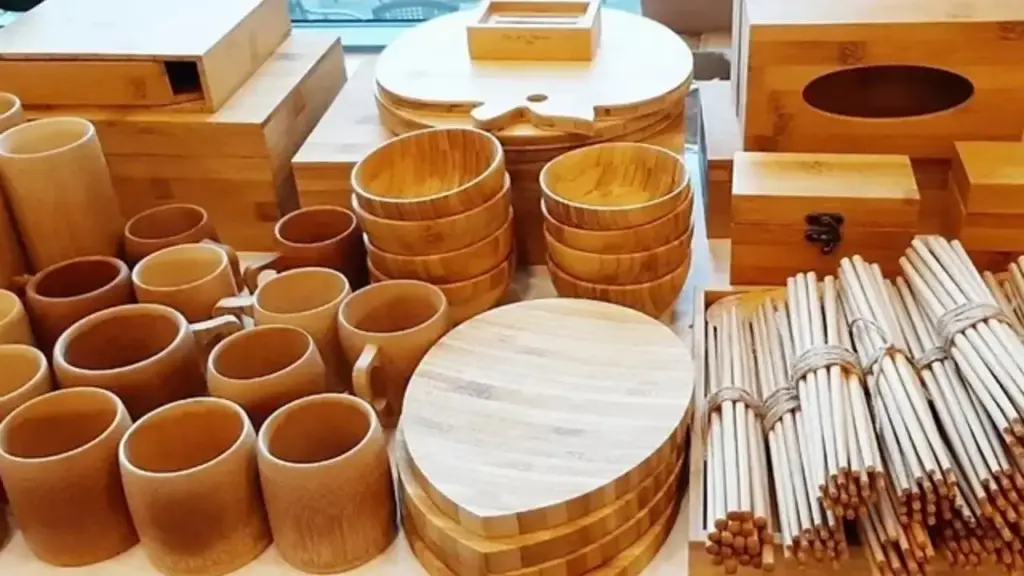
Table of Contents
Bamboo Products: A Sustainable Revolution
Bamboo products are not only a sustainable alternative, but they also offer numerous practical benefits. One of the most compelling reasons to make the switch to bamboo is its incredible sustainability. Unlike hardwood trees, which take decades to grow, bamboo can be harvested in just three to five years. This rapid growth cycle makes bamboo an incredibly renewable resource, helping to reduce deforestation and lower carbon footprints. In addition, bamboo requires minimal water, pesticides, and fertilizers, making it an eco-friendly choice for both production and disposal.
Another reason bamboo products are gaining popularity is their durability. Despite being lightweight, bamboo is stronger than most hardwoods and is incredibly resilient to wear and tear. Bamboo products such as flooring, furniture, and kitchenware are not only long-lasting but also resistant to moisture and pests. Whether you’re redesigning your home or simply looking for everyday household items, bamboo products offer an environmentally responsible and high-quality solution.
Bamboo Products
| Product Type | Key Features | Environmental Benefits | Durability | Cost Range |
|---|---|---|---|---|
| Bamboo Flooring | Strong, durable, attractive | Renewable, reduces deforestation | Long-lasting, resistant to moisture | Moderate |
| Bamboo Clothing | Soft, breathable, hypoallergenic | Biodegradable, minimal chemical use | Strong, lightweight | Moderate |
| Bamboo Toothbrushes | Eco-friendly, biodegradable | Reduces plastic waste | Long-lasting | Low |
| Bamboo Furniture | Lightweight, versatile, sustainable | Biodegradable, reduces wood waste | Long-lasting, stylish | High |
| Bamboo Kitchenware | Non-toxic, durable, easy to clean | Sustainable production | Durable and long-lasting | Moderate |
This table provides a quick glance at some of the most popular bamboo products on the market today. From the eco-conscious bamboo toothbrush to the sophisticated bamboo furniture, it’s easy to see why so many people are making the switch. Whether you’re looking to furnish your home or simply replace plastic items, bamboo products offer sustainable options that benefit both you and the planet.
Bamboo products are more than just a trend—they’re a sustainable, durable, and versatile solution that can help transform the way we live. Whether you’re looking to reduce your environmental impact or simply make smarter, more eco-conscious choices, bamboo offers a wide range of benefits. By switching to bamboo products, you’re not only investing in quality but also contributing to a greener, more sustainable future.
The Health Benefits of Bamboo Products
It’s not just about being environmentally conscious; bamboo products also bring a number of health benefits to the table. One of the key advantages of bamboo is its natural hypoallergenic properties. Bamboo fibers are gentle on the skin, making bamboo clothing, bedding, and towels ideal for people with sensitive skin or allergies. Additionally, bamboo fabric is highly breathable and moisture-wicking, keeping you cool and comfortable in any season.
Bamboo’s natural antimicrobial properties are another reason it’s a great choice for health-conscious individuals. Bamboo is naturally resistant to bacteria, mold, and fungi, which makes it an excellent material for products like bamboo cutting boards, towels, and bedding. These items help create a cleaner, healthier living environment by reducing the need for harmful chemicals and promoting a more hygienic space.
Bamboo as an Alternative to Plastic
One of the most significant ways bamboo products are changing the way we live is by providing an eco-friendly alternative to plastic. Plastic pollution is a global issue, with millions of tons of plastic waste polluting our oceans, landfills, and natural environments. Bamboo products, on the other hand, are biodegradable and compostable, meaning they break down naturally without leaving harmful waste behind.
Everyday items like bamboo toothbrushes, bamboo straws, and bamboo cutlery are all excellent substitutes for single-use plastic items. Bamboo-based alternatives are not only better for the environment but also for your health. Bamboo products are free from harmful chemicals like BPA, which are often found in plastic products. By making the switch to bamboo, you can reduce your personal plastic consumption and contribute to a cleaner planet.
Bamboo in Construction and Architecture
The use of bamboo is also making waves in the construction and architecture industries. Bamboo’s incredible strength, flexibility, and fast growth rate make it an ideal material for sustainable building projects. In many parts of the world, bamboo is used for everything from scaffolding to furniture and even entire homes.
In places like Asia, bamboo has been used for centuries to build homes and structures. Now, with increased interest in sustainable architecture, bamboo is being reintroduced as a modern building material. Not only is bamboo a renewable resource, but it’s also much more cost-effective than traditional construction materials like steel and concrete. Its lightweight nature also reduces the energy required to transport and assemble structures, making it an environmentally friendly choice for construction projects.
As sustainable architecture becomes more mainstream, we can expect to see even more innovative uses of bamboo in the built environment, from eco-friendly homes to commercial buildings. Whether you’re building a new home or considering a renovation, incorporating bamboo can help reduce your carbon footprint and create a more sustainable living space.
How Bamboo Products Support a Greener Lifestyle
Incorporating bamboo into your lifestyle is an excellent way to support a more sustainable and eco-friendly way of living. By replacing plastic products with bamboo alternatives, you can reduce your personal waste and contribute to a cleaner planet. Bamboo items are durable, meaning they’ll last longer and reduce the frequency with which you need to buy replacements. This not only helps reduce consumption but also saves money in the long run.
Moreover, bamboo products are often made with minimal chemicals and pesticides, making them safer for you and your family. Whether you’re swapping out your plastic toothbrush for a bamboo one or choosing bamboo furniture over traditional wood, each small change can make a big impact on the environment. By making conscious choices, you can create a home that’s not only stylish and functional but also aligned with your values of sustainability.
Brush Smarter: The Eco-Friendly Benefits of a Bamboo Charcoal Toothbrush
FAQs About Bamboo Product
1. Is bamboo sustainable?
Yes, bamboo is highly sustainable due to its rapid growth rate and minimal need for pesticides or fertilizers. It can be harvested every few years without damaging the environment, making it an excellent alternative to other materials like hardwood.
2. How does bamboo help the environment?
Bamboo helps the environment by reducing deforestation, conserving water, and lowering carbon emissions. It’s a biodegradable material, meaning it naturally decomposes without harming the ecosystem.
3. Are bamboo products durable?
Yes, bamboo products are known for their durability. Bamboo is stronger than many hardwoods, making it an excellent choice for furniture, flooring, and kitchenware. It is also resistant to moisture and pests.
4. Is bamboo a good alternative to plastic?
Bamboo is a great alternative to plastic. It’s biodegradable, compostable, and free from harmful chemicals like BPA. Bamboo products, such as toothbrushes and cutlery, are eco-friendly options that help reduce plastic waste.
5. Can bamboo be used for building homes?
Yes, bamboo is increasingly being used in construction and architecture due to its strength, flexibility, and sustainability. It’s an excellent material for eco-friendly homes and buildings.